01 / ENTERTAINMENT + EVENTS
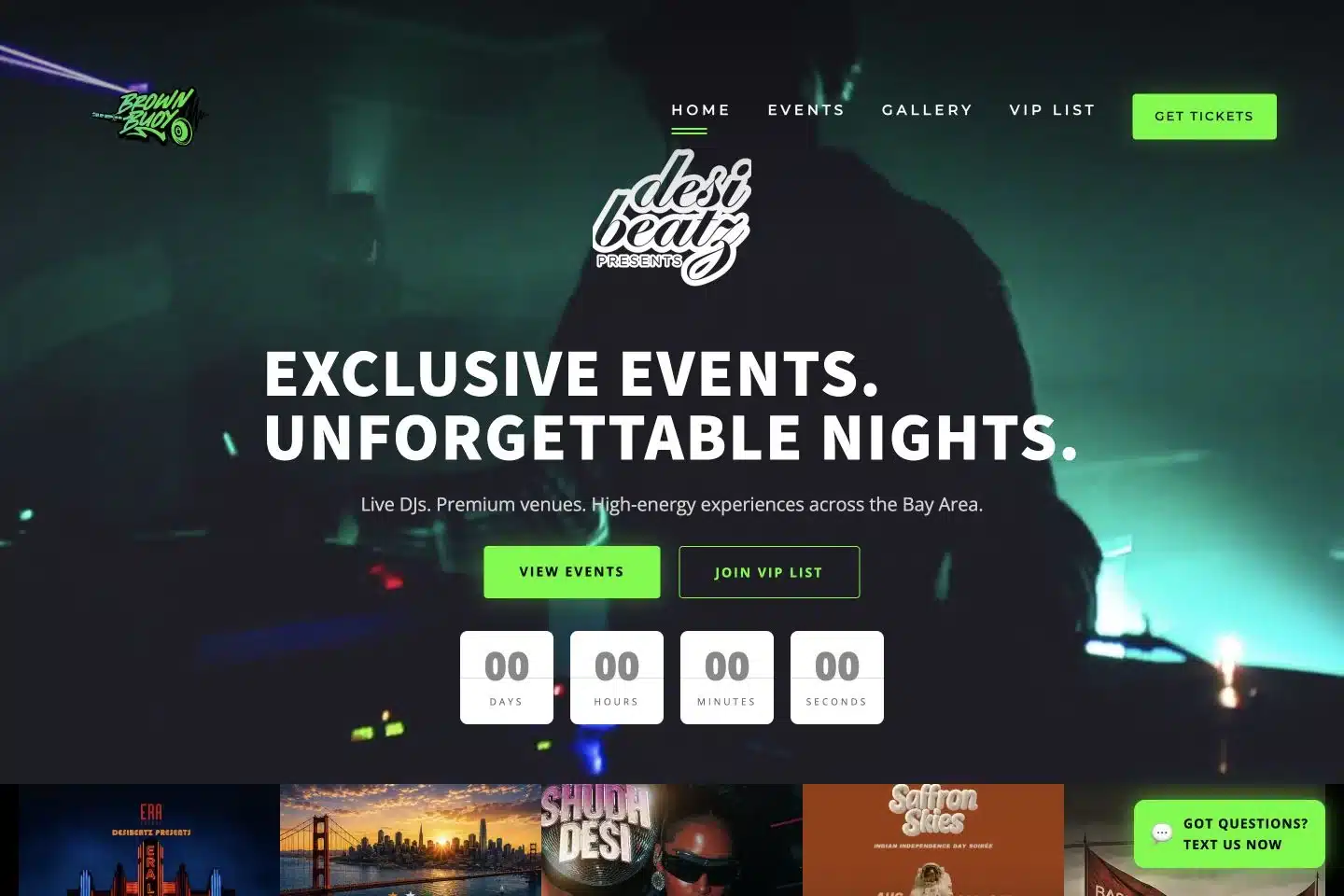
Desi Beatz SF
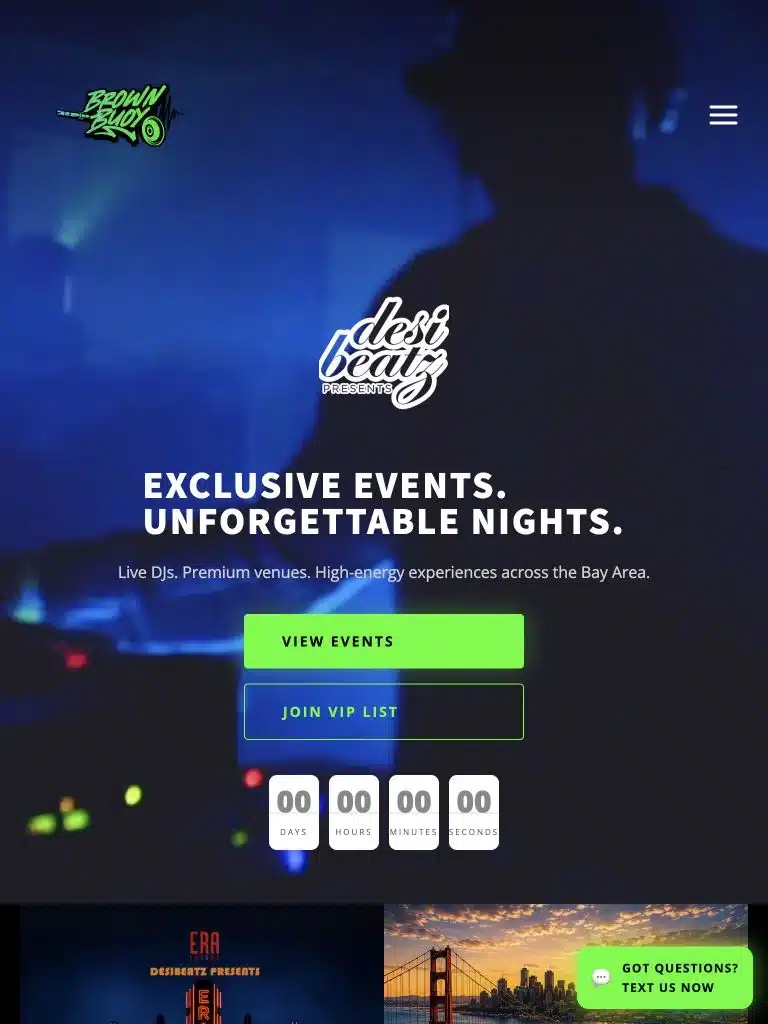
An event-led website with bold typography, a visual gallery, ticket links and a VIP signup path.
EXPLORE THE WEBSITE (opens in a new tab)
DigiKai combines premium design, search-ready architecture and conversion strategy to turn your website into a business asset built to support growth.
Google, SEO, ads, Maps, social, referrals, email and AI search can all introduce someone to your business. Your website is often where they decide what happens next.
Outdated design, slow pages, confusing navigation, an unclear offer or a difficult mobile experience can lose that opportunity. Credibility and a clear next step need to be part of the experience.
Traffic doesn’t matter if the website can’t convert it.
Call. Request a quote. Book. Buy. Apply. Join a waitlist. We plan the path while designing each page.
Your website doesn't just need to look good—it needs to turn visitors into leads and customers. Use our free calculator to model what even a modest improvement in website conversion could mean for your business.
Calculate My Website OpportunityBased on your inputs and modeled scenarios. This does not measure actual lost revenue. Full results with no email required.
Different industries. Different audiences.
Websites with a purpose of their own.
An event-led website with bold typography, a visual gallery, ticket links and a VIP signup path.
EXPLORE THE WEBSITE (opens in a new tab)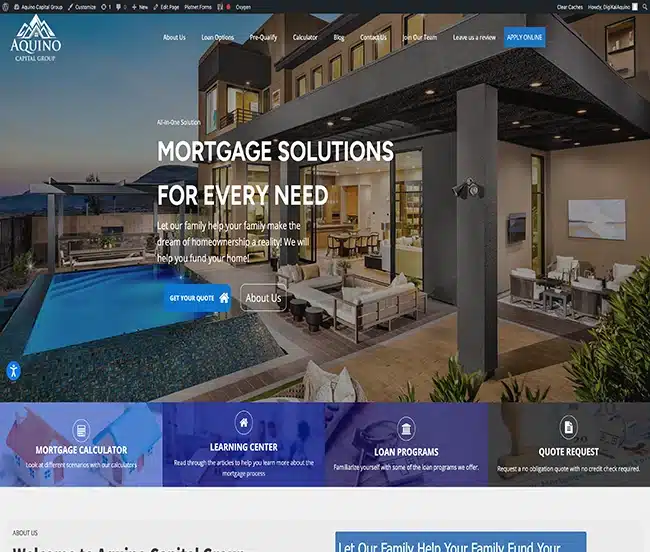
Service information, mortgage resources and application pathways. Original portfolio design; the live domain now redirects to Done In One Mortgage.
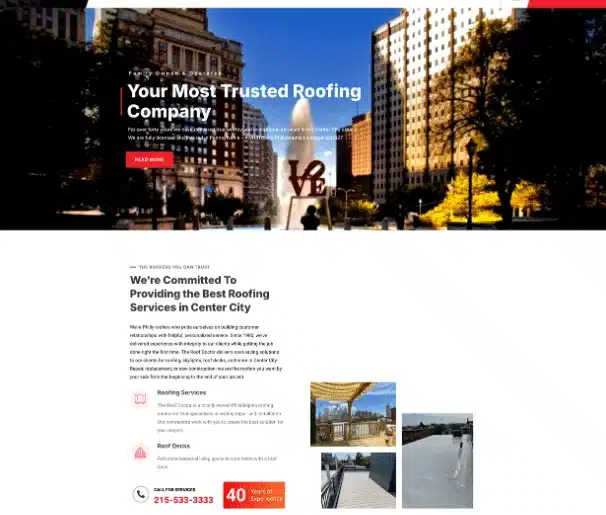
A roofing company website with service pages, project imagery and a clear route to request an inspection.
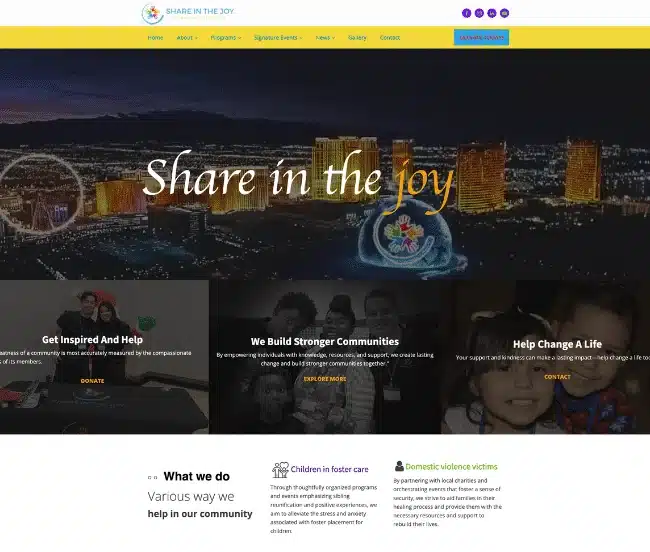
A mission-led website connecting people with community programs, volunteering and ways to give.
Actual DigiKai portfolio work. Designs shown are snapshots; live websites may evolve.
VIEW OUR PORTFOLIOThe experience, the build and the search foundation need to work together from the beginning.
Make your company look credible, established and worth choosing.
Turn the visual direction into a responsive, functional website.
Give future marketing a clear, accessible structure to build on.
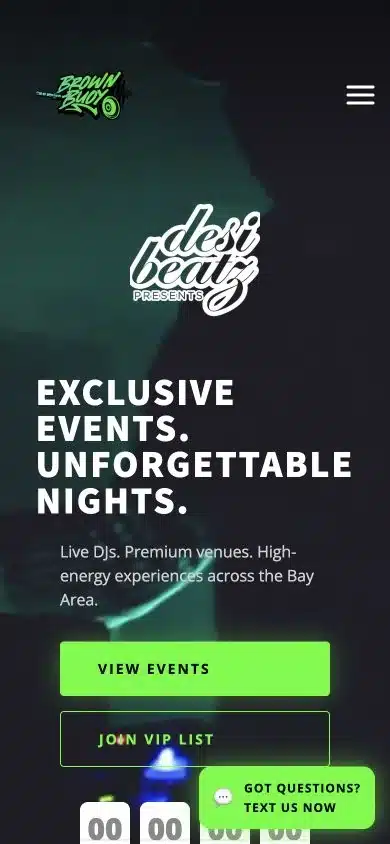
Navigation, type, forms, buttons and imagery should feel natural at every size. See how the same real client website adapts.
Start with what’s working. Find what’s holding you back.
We evaluate design, messaging, navigation, mobile usability and conversion paths alongside performance, technical structure, search visibility and content organization.
Keep useful foundations and improve the pages, messaging and interactions that need attention.
Rework the site when its platform, architecture or experience can’t support the business you’re becoming.
Building first and thinking about search later can mean rebuilding the architecture twice. We plan service and location pages around search intent, then connect them through clear navigation, content hierarchy and internal links.
Crawlability, structured data where appropriate, mobile performance and Core Web Vitals considerations belong in the build—alongside the conversion path.
Search-aware structure, technical fundamentals and launch checks within the agreed website scope.
Continuing research, content, authority development, monitoring and optimization as markets and competitors change.
EXPLORE SEO SERVICESYour business, audience, competitors, services and objectives.
Site architecture, messaging, conversion paths and search opportunities.
The visual system, page layouts and user experience.
A responsive build with the agreed functionality and integrations.
Mobile, forms, links, performance, accessibility and technical SEO checks.
Deployment, migration checks and verification on the live website.
From focused landing pages to a full business website, the structure starts with your audience and the action you want them to take.
Based in Las Vegas. Working with businesses across the U.S.
LAS VEGAS WEB DESIGNA website works best when the people shaping the brand, building the experience and planning the marketing share the same direction. That’s how we approach the work.
EXPLORE DIGIKAI RESULTSYour proposal reflects the work your business needs: page count, design, content, functionality, integrations, e-commerce or custom development, plus the condition and migration needs of any existing site.
We define the scope before recommending an investment. The aim is a stronger, more useful business asset.
GET A WEBSITE PROPOSALPlanning a new website or a redesign? Here’s what to expect.
TALK TO DIGIKAIThe investment depends on page count, design requirements, content, functionality, integrations, custom development and migration needs. DigiKai prepares a proposal around an agreed scope rather than a one-size-fits-all price.
The schedule depends on scope, content readiness, feedback, integrations and any migration requirements. We establish milestones after discovery so you understand what needs to happen before launch.
Yes. We review the current design, messaging, mobile experience, conversion paths, content and technical structure, then recommend a focused redesign or a complete rebuild based on what the business needs.
We plan a search-friendly foundation: logical page structure and URLs, crawlable content, heading hierarchy, internal linking, mobile usability and relevant technical checks. The exact deliverables are defined in your proposal. A website build does not guarantee rankings.
An SEO-friendly website foundation and an ongoing SEO campaign are separate scopes. Continuing keyword research, content development, authority building, monitoring and optimization require a separately agreed engagement.
Responsive design is part of the approach. We test how navigation, text, imagery, buttons, forms and content hierarchy adapt across desktop, tablet and mobile screen sizes.
Yes. Messaging and content writing can be included in the project scope. We clarify who will supply, write and approve the content before setting the delivery plan.
Yes, subject to reviewing the current platform, content and required functionality. We plan the transfer, URL mapping, redirects and launch checks, and identify access or integration requirements before moving the site.
Preserving SEO equity requires careful handling of existing URLs, redirects, metadata, content, internal links, indexing and canonical signals. We assess these before launch and verify the implementation afterward. Rankings can change during a migration; no redesign can promise they will remain unchanged.
Yes. We build focused landing pages around an audience, offer and intended action, such as requesting a quote, booking a consultation or submitting an inquiry. Content, forms and integrations are scoped to the campaign.
Yes. DigiKai is based in Las Vegas and works with businesses across the United States. This core service covers website design and development; our Las Vegas web design page provides local context and the broader portfolio.
Use Get a Website Proposal to tell us about your business, goals, budget and the type of project you have in mind. Include your existing website if you have one. We use that information to start a conversation and define the scope.
Replacing an outdated website or building something new? DigiKai combines design, development, search strategy and conversion thinking to create a stronger digital foundation for your business.